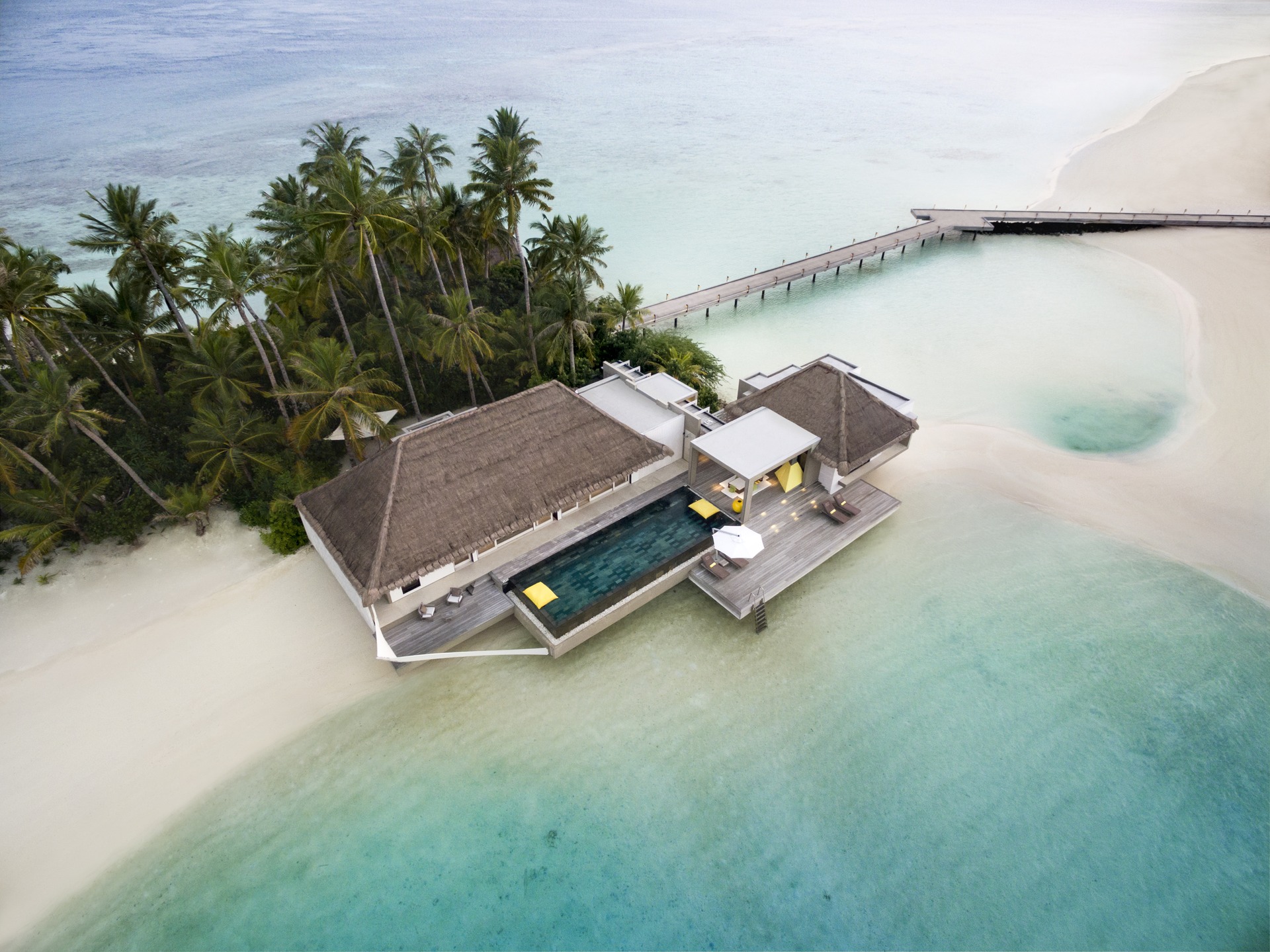
The Maldives has two seasons, and the brochures only really tell you about one. Iruvai (December to April) is the dry season: clear skies, calm seas, the postcard. Hulhangu (May to November) is the wet season: shorter rain bursts, surface chop, lower rates, and the windows when most marine life turns up. Both are good. Neither is perfect.
If your priority is honeymoon photography and a glassy lagoon, target January and February. The trade-off is peak pricing and peak occupancy at the most popular resorts.
If your priority is mantas, target Baa Atoll between June and November. Hanifaru Bay sees aggregations of two hundred mantas at a time during the right tidal window. We can usually get a guest in if we plan the trip around it.
For whale sharks, Ari Atoll, year-round, but with a noticeable peak in the south of the atoll between November and April. South Ari Marine Protected Area is the dependable encounter site.
April and November are the shoulder months we recommend most often. Reasonable rates, fewer crowds, and the weather is usually one good side of the seasonal change. The risk is a poorly-timed storm window that can make seaplane transfers tricky. We watch the forecasts and move guests if it's looking unlucky.
August through October is the under-loved window. Lower rates, surf in the south for those who want it, and a lower visitor density. The trade-off is more variable conditions and lower-quality light for photography. If you don't mind that, the value is real.